In today’s fast-paced digital landscape, enterprise networks demand high-speed, reliable, and scalable connectivity. One of the key components enabling this modern infrastructure is the MPO to LC fiber cable. Designed to bridge multi-fiber MPO connections with the more common LC interfaces, this cable simplifies complex network deployments while ensuring optimal performance. For enterprises looking to future-proof their networks, understanding the benefits, structure, and applications of the mpo to lc fiber cable is essential.
What is an MPO to LC Fiber Cable
An MPO to LC fiber cable is a type of fiber optic cable that connects a high-density MPO (Multi-Fiber Push-On) connector on one end to multiple LC (Lucent Connector) connectors on the other. MPO connectors are typically used in backbone cabling for data centers, providing 12, 24, or even 48 fibers in a single interface. On the other hand, LC connectors are widely used for connecting network devices, servers, and switches due to their compact size and reliable performance.
By combining these two types of connectors in a single cable, enterprises can simplify network deployment, reduce cabling complexity, and maintain high-speed data transmission. Fiber-mart offers a wide range of mpo to lc fiber cable solutions that meet rigorous industry standards and enterprise performance requirements.
Benefits of Using MPO to LC Fiber Cable
The adoption of mpo to lc fiber cable in enterprise networks offers several advantages that directly address modern networking challenges:
High-Density Connectivity
MPO connectors can carry multiple fibers in a single connector, reducing the number of cables required for large-scale deployments. By converting these fibers into individual LC connectors, enterprises can maintain high-density connectivity without sacrificing flexibility. This is particularly valuable in data centers where space and airflow are critical considerations.
Simplified Network Management
Using an mpo to lc fiber cable simplifies network management by reducing the need for multiple patch panels and cable runs. Instead of handling dozens of individual LC cables, IT teams can deploy a single MPO cable that breaks out into LC connectors, making installation, troubleshooting, and upgrades more efficient.
Scalability for Future Networks
Enterprise networks are continuously evolving, with increasing demand for 10G, 40G, and 100G connections. MPO to LC fiber cable supports these high-speed standards and allows seamless scaling of network infrastructure. By choosing Fiber-mart MPO to LC solutions, businesses can ensure their network grows without the need for costly rewiring or complex upgrades.
Cost-Effective Deployment
Although MPO cables are generally more expensive than standard LC cables, using an mpo to lc fiber cable can lower overall deployment costs. Fewer physical cables, simplified installation, and reduced labor requirements contribute to significant cost savings over time. Fiber-mart provides cost-efficient options that combine high performance with budget-friendly deployment strategies.
Structure and Specifications of MPO to LC Fiber Cable
Understanding the construction and specifications of mpo to lc fiber cable is important for selecting the right solution for enterprise networks.
Connector Types
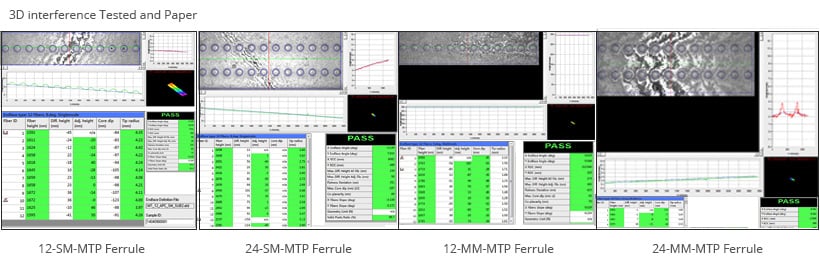
The MPO end of the cable usually comes in 12, 24, or 48-fiber configurations, depending on the network’s capacity needs. The LC end can be simplex or duplex, supporting single-mode or multimode fiber types. Fiber-mart offers a variety of MPO to LC cables compatible with both single-mode OS2 and multimode OM3/OM4 fibers, ensuring broad compatibility with enterprise network equipment.
Fiber Types and Performance
- Single-mode (OS2): Optimized for long-distance transmission, single-mode fibers in MPO to LC cables are ideal for backbone and inter-building connections.
- Multimode (OM3/OM4): Designed for short-distance, high-speed data transmission, multimode fibers are suitable for data center applications and server connectivity.
Fiber-mart ensures all mpo to lc fiber cable products meet industry standards for insertion loss, return loss, and optical performance, guaranteeing reliable network operation.
Cable Jacket and Durability
Cable jackets play a crucial role in protecting fibers from physical damage and environmental factors. MPO to LC cables typically come with PVC or LSZH (Low Smoke Zero Halogen) jackets for indoor deployment. Fiber-mart also offers armored versions for areas with higher risk of mechanical stress, providing additional protection while maintaining flexibility for routing.
Applications of MPO to LC Fiber Cable in Enterprise Networks
The versatility of mpo to lc fiber cable makes it an ideal solution across various enterprise applications:
Data Center Interconnects
High-performance data centers often require rapid deployment of multiple high-speed connections. MPO to LC cables allow IT teams to connect servers, storage units, and network switches efficiently while maintaining organized cable management.
Server and Storage Connectivity
Many enterprise servers and storage devices use LC ports for network connections. An mpo to lc fiber cable enables direct connection from high-density MPO backbone cables to individual LC ports, reducing the need for additional adapters or patch panels.
High-Speed Networking
As enterprises adopt 40G and 100G Ethernet for data-intensive applications, MPO to LC cables play a critical role in supporting these standards. Fiber-mart’s products are optimized for high-bandwidth performance, ensuring minimal signal loss and maximum throughput.
Telecommunication and Cloud Infrastructure
Telecommunication providers and cloud service companies also benefit from MPO to LC solutions. These cables support rapid scaling of network infrastructure, facilitate easy maintenance, and reduce downtime during upgrades or expansions.
Choosing the Right MPO to LC Fiber Cable
Selecting the correct mpo to lc fiber cable depends on several key factors:
- Fiber Type: Determine whether single-mode or multimode fiber is appropriate for your network distances and bandwidth requirements.
- Connector Polarity: Ensure proper polarity matching between MPO and LC connectors to prevent signal mismatch.
- Cable Length: Consider cable run distances to minimize signal loss and optimize network layout.
- Durability Requirements: Choose armored cables for environments prone to physical damage.
- Compliance Standards: Fiber-mart MPO to LC cables adhere to TIA/EIA standards, ensuring compatibility with enterprise-grade equipment.
By carefully evaluating these factors, enterprises can select the ideal MPO to LC cable that balances performance, cost, and reliability.
Installation Best Practices
Proper installation of mpo to lc fiber cable is critical for maintaining network performance and longevity:
- Avoid Excessive Bending: Maintain the minimum bend radius recommended by the manufacturer to prevent fiber breakage.
- Labeling: Clearly label both ends of the cable to simplify future maintenance and troubleshooting.
- Clean Connectors: Use fiber optic cleaning tools to remove dust and debris from MPO and LC connectors before installation.
- Secure Routing: Use cable management trays and racks to avoid tangling and mechanical stress.
Following these practices ensures that MPO to LC cables deliver consistent performance and reduce the risk of network downtime.
Conclusion
For modern enterprise networks, the mpo to lc fiber cable is an essential component that simplifies high-density connectivity while supporting high-speed data transmission. From data centers to server farms and cloud infrastructure, these cables provide efficient, scalable, and reliable solutions for complex networking environments. Fiber-mart’s range of MPO to LC cables combines industry-standard performance with flexible deployment options, making it an ideal choice for enterprises aiming to future-proof their networks.
By understanding the structure, benefits, and best practices of MPO to LC fiber cables, IT teams can optimize network performance, reduce deployment complexity, and ensure long-term reliability for their enterprise infrastructure.