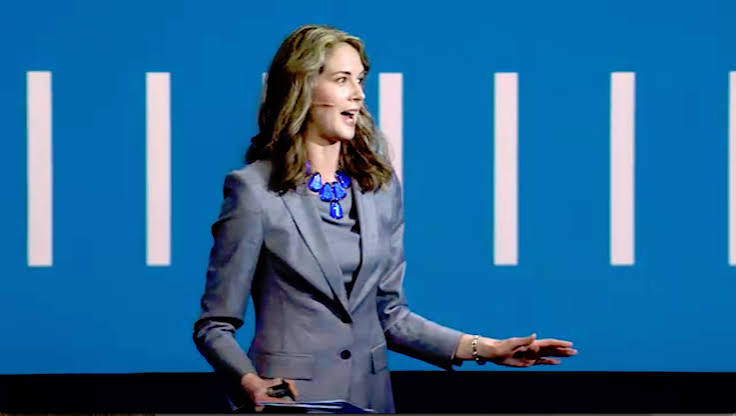
Corporate events bring together employees, clients, business partners, executives, and industry professionals for a shared purpose. Whether the occasion is a conference, product launch, awards ceremony, company celebration, seminar, or networking corporate emcee event, professional coordination is essential for keeping everything organized and engaging. One of the most important people responsible for maintaining the flow of an event is a corporate emcee.
A skilled emcee does much more than introduce speakers. They help establish the atmosphere, connect different parts of the program, communicate important information, and keep attendees interested from beginning to end. Their ability to manage the audience and respond to unexpected situations can have a significant impact on the overall event experience.
Understanding the Role of a Corporate Emcee
A corporate emcee, also known as a master of ceremonies, serves as the central host of a business event. They guide attendees through the planned schedule while making sure each segment transitions smoothly into the next.
The emcee may welcome guests, introduce executives and speakers, announce presentations, explain activities, recognize award recipients, and provide important updates throughout the event. They often work closely with event planners, technical teams, speakers, and organizers before and during the occasion.
Because corporate events typically have specific objectives, the emcee must understand the purpose and tone of the gathering. A formal business conference requires a different approach from a company anniversary celebration or an employee recognition event.
Creating a Professional First Impression
The opening moments of an event can influence how attendees perceive the entire occasion. A confident and prepared emcee can immediately provide structure and professionalism.
A corporate emcee usually begins by welcoming guests and introducing the purpose of the event. They may explain the schedule, acknowledge important guests, and provide basic information about what attendees can expect.
A clear and energetic opening can help the audience become comfortable and attentive. At the same time, the emcee needs to avoid overwhelming guests with unnecessary information. The goal is to create an inviting environment while establishing professional expectations.
Keeping the Event on Schedule
Timing is one of the biggest challenges associated with corporate events. Conferences and business programs often involve multiple speakers, presentations, performances, meals, networking sessions, and technical requirements.
An experienced emcee helps maintain the schedule by monitoring transitions and communicating with organizers when adjustments are necessary. If a speaker finishes early, a segment is delayed, or equipment requires additional preparation, the emcee can help fill the gap without making the situation feel uncomfortable.
This ability to manage time is especially valuable for large events where many activities depend on one another. Instead of allowing delays to create confusion, the emcee can keep attendees informed and guide them toward the next part of the program.
Engaging Different Types of Audiences
Corporate audiences can include people with different professional backgrounds, ages, interests, and expectations. Keeping everyone engaged requires communication skills and awareness.
A good emcee understands how to interact with the audience without making the event feel forced. They may use brief questions, appropriate humor, audience participation, or interesting observations to maintain attention.
The style should always match the organization and occasion. A highly formal industry conference may require polished and informative communication, while an internal company celebration may allow a more relaxed and energetic approach.
Introducing Speakers and Presentations
Introducing speakers is another important responsibility. A strong introduction gives attendees useful context and establishes credibility before the speaker begins.
The emcee may briefly explain the speaker’s professional background, role, or connection to the subject. The introduction should be informative without taking attention away from the upcoming presentation.
After the presentation, the emcee can thank the speaker and provide a smooth transition to the next scheduled activity. These small moments contribute to the professional flow of the entire program.
Handling Unexpected Situations
Even carefully planned events can experience unexpected challenges. A presentation may take longer than expected, a microphone may stop working, a guest may arrive late, or a scheduled speaker may become unavailable.
An experienced corporate emcee needs to remain calm and adaptable in these situations. Instead of drawing unnecessary attention to a problem, they can communicate naturally with attendees while organizers resolve the issue.
Quick thinking is particularly valuable because audiences often look toward the emcee when something unexpected happens. A composed host can help maintain confidence and prevent a minor problem from becoming a major disruption.
Supporting Brand Identity
Corporate events are often an extension of a company’s brand. Everything from the stage design and presentations to the language used by speakers can contribute to the organization’s identity.
The emcee plays an important role in representing that identity. Their vocabulary, tone, appearance, and communication style should align with the company’s values and the nature of the event.
For example, a technology company may prefer a modern and energetic presentation style, while a professional association may emphasize formal and informative communication. A well-prepared emcee takes these factors into consideration before stepping onto the stage.
Working With Event Organizers
Successful hosting begins before the event itself. A professional emcee should work closely with organizers to understand the schedule, speakers, audience, objectives, and important announcements.
Preparation may include reviewing speaker biographies, learning the pronunciation of names, understanding the event agenda, and discussing potential changes with the production team.
The emcee should also know how the technical elements work, including microphones, presentation screens, videos, music, lighting cues, and stage movements. While technical teams handle the equipment, the host needs to understand the timing of these elements so transitions remain smooth.
Building Audience Confidence and Energy
An engaging host can influence the energy level of a room. If attendees become tired during a long conference, the emcee can introduce the next segment with enthusiasm and encourage people to remain attentive.
This does not mean constantly trying to entertain the audience. Corporate hosting requires balance. The emcee should know when to be energetic and when to allow the speaker or presentation to take center stage.
The ability to read the room helps the host determine whether the audience needs more interaction, a quicker transition, or a quieter and more professional approach.
Why Professional Hosting Matters
The success of a corporate event depends on many factors, including planning, venue selection, content, technology, speakers, and audience participation. Professional hosting connects many of these elements together.
A corporate emcee provides continuity throughout the program. Instead of attendees wondering what happens next, they receive clear guidance from one segment to another.
Professional hosting can also reduce pressure on event organizers. While planners focus on logistics and behind-the-scenes responsibilities, the emcee can concentrate on communication and audience engagement.
Choosing the Right Corporate Emcee
Organizations should consider several factors when selecting an emcee. Communication ability, professionalism, confidence, preparation, adaptability, and experience with similar audiences are all important considerations.
The host should also be comfortable working with different personalities and event formats. Someone who can confidently introduce executives, interact with attendees, manage transitions, and respond to unexpected situations can provide valuable support.
It is also useful to discuss the event objectives and preferred communication style before making a final selection. A good match between the host and the event can create a more natural and consistent experience.
Conclusion
A corporate event requires more than a detailed schedule and an impressive venue. It needs someone who can connect each part of the program while keeping attendees informed and engaged. A professional corporate emcee can provide that connection through confident communication, careful preparation, audience interaction, and effective time management.
From welcoming guests and introducing speakers to handling unexpected changes and maintaining the event’s energy, the emcee plays a central role in creating a smooth experience. With the right preparation and hosting skills, an emcee can help transform a collection of presentations and activities into a well-organized and memorable corporate event.