Manufacturing businesses operate in an environment where financial control directly affects profitability, production efficiency, and long-term growth. From raw material costs and labor expenses to inventory management and equipment investments, manufacturers must constantly balance multiple financial priorities. Even a small cost increase can affect margins when production volumes are high. This is why having a dedicated financial leader can make a significant difference https://usfractionalcfo.com/industry/nonprofit-cfo/.
A Manufacturing CFO provides the financial expertise needed to understand these challenges, improve cost visibility, strengthen financial planning, and support better business decisions. Whether a company is expanding production, managing supply chain pressures, or looking for ways to improve profitability, a CFO can help create a more disciplined financial structure.
Understanding Manufacturing Cost Structures
Manufacturing businesses often have complex cost structures that are difficult to manage without detailed financial analysis. Direct materials, direct labor, overhead, transportation, maintenance, utilities, and technology expenses can all contribute to the total cost of production.
A Manufacturing CFO helps businesses break down these costs and understand how each category affects profitability. By analyzing production expenses and comparing actual results with budgets, financial leaders can identify areas where spending is higher than expected.
This detailed approach makes it easier for management to determine which costs can be controlled, where efficiencies can be introduced, and how pricing decisions should reflect the true cost of production.
Improving Budgeting and Financial Planning
Effective budgeting is essential for manufacturers because production decisions often require significant financial commitments. Companies may need to purchase equipment, increase inventory, hire additional employees, or expand facilities.
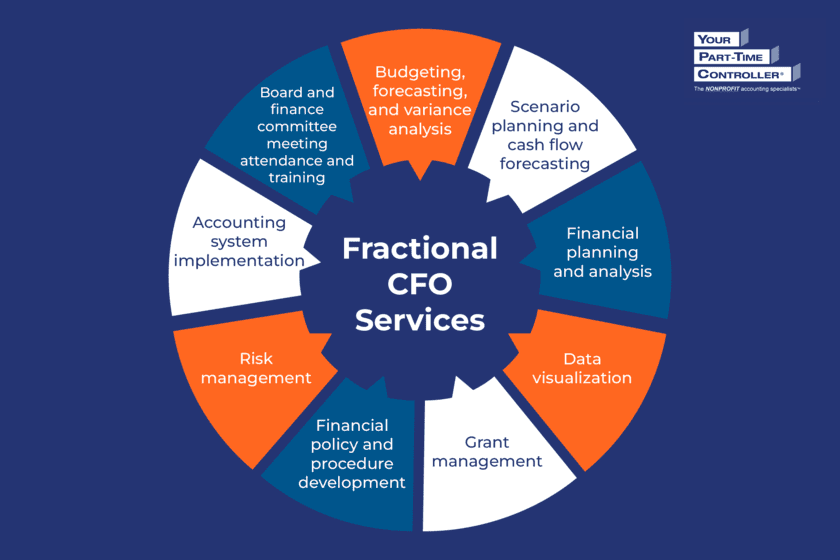
A CFO can develop structured budgets that connect financial resources with operational objectives. Instead of creating a budget based only on historical figures, a Manufacturing CFO can consider production forecasts, expected sales, material costs, labor requirements, and planned capital expenditures.
Regular financial reviews also allow manufacturers to compare forecasts with actual performance. When conditions change, budgets can be adjusted to reflect new business realities.
Strengthening Cash Flow Management
Strong profitability does not always mean strong cash flow. Manufacturing companies can have substantial amounts of money tied up in inventory, accounts receivable, equipment, and ongoing production.
A CFO helps management understand when cash enters and leaves the business. This includes monitoring customer payments, supplier obligations, inventory purchases, payroll, loan payments, and capital expenditures.
Better cash flow forecasting allows manufacturers to prepare for upcoming financial requirements instead of reacting to unexpected shortages. It can also help businesses determine when they have sufficient resources for expansion or new investments.
Controlling Inventory Costs
Inventory represents a major financial consideration for many manufacturing companies. Excess inventory can tie up working capital, while insufficient inventory can interrupt production and create delays.
A Manufacturing CFO works with operational teams to evaluate inventory levels, turnover rates, purchasing patterns, and carrying costs. Financial reporting can reveal slow-moving inventory and highlight opportunities to improve purchasing and production planning.
By connecting inventory information with financial data, management can make more informed decisions about purchasing quantities and working capital.
Supporting Better Pricing Decisions
Pricing products without understanding their complete cost structure can create serious financial problems. A company may generate strong sales while earning less profit than expected if production costs are underestimated.
A CFO can analyze product-level costs, overhead allocation, labor expenses, material prices, and other factors that influence margins. This information provides management with a clearer financial foundation for pricing decisions.
When material or labor costs increase, financial analysis can also help determine how those changes may affect margins and whether pricing strategies need to be reviewed.
Managing Capital Expenditures
Manufacturing companies frequently invest in machinery, automation, facilities, technology, and other long-term assets. These investments can improve productivity, but they also require careful financial planning.
A Manufacturing CFO can evaluate capital expenditure proposals by examining expected costs, potential returns, financing requirements, useful life, and cash flow effects. This creates a structured process for deciding which investments align with the company’s financial objectives.
Financial oversight also helps prevent unnecessary capital spending and encourages businesses to prioritize projects that support operational and strategic goals.
Creating Stronger Financial Reporting
Reliable financial information is essential for effective management. Manufacturing businesses need visibility into revenue, expenses, gross margins, operating costs, working capital, and other financial indicators.
A CFO can establish meaningful financial reporting systems that give business leaders timely information. Instead of relying only on basic accounting reports, management can use financial dashboards and performance metrics to understand what is happening across the organization.
Clear reporting can also improve communication between finance, production, purchasing, sales, and executive teams.
Managing Financial Risks
Manufacturers face numerous financial risks, including fluctuating material prices, supplier issues, changing customer demand, equipment failures, labor expenses, and economic uncertainty.
A CFO helps identify these risks and incorporate them into financial planning. Scenario analysis can show how different changes may affect cash flow and profitability.
For example, management can examine the potential financial impact of higher material costs, reduced production volumes, or unexpected equipment expenditures. Preparing for these possibilities can make the company more financially resilient.
Supporting Operational Efficiency
Financial control is closely connected to operational performance. A Manufacturing CFO can work with production teams to understand how financial results relate to manufacturing activities.
Metrics such as production costs, labor utilization, scrap rates, inventory turnover, and gross margins can provide valuable insights into operational efficiency. When financial and operational data are reviewed together, management can identify opportunities for improvement.
This approach encourages departments to consider both productivity and financial outcomes when making decisions.
Preparing a Manufacturing Business for Growth
Growth requires more than increasing sales. Manufacturers need sufficient working capital, reliable forecasting, appropriate financing, efficient operations, and disciplined cost management.
A CFO helps create financial systems that can support expansion without creating unnecessary financial pressure. This may involve improving reporting processes, strengthening cash flow management, developing financial forecasts, and evaluating funding options.
With stronger financial controls in place, management can approach expansion decisions with better information and greater visibility into potential financial requirements.
The Strategic Value of a Manufacturing CFO
The role of a CFO extends beyond accounting and financial reporting. For a manufacturing company, financial leadership can become an important part of strategic planning.
A Manufacturing CFO provides management with financial analysis that can support decisions about production capacity, pricing, inventory, investments, staffing, financing, and expansion. By connecting financial information with operational objectives, the CFO helps create a more coordinated approach to business management.
For companies that need experienced financial leadership without immediately building a large internal finance department, a specialized CFO resource can also provide valuable expertise and structured financial guidance.
Building Long-Term Financial Control
Better cost and financial control requires ongoing attention rather than a one-time financial review. Manufacturing companies must continuously monitor expenses, margins, cash flow, inventory, capital investments, and changing market conditions.
A Manufacturing CFO provides the structure and financial insight needed to maintain this discipline. Through accurate reporting, forecasting, cost analysis, risk management, and strategic planning, the CFO can help management make informed decisions.
Ultimately, stronger financial control gives manufacturing businesses greater visibility into their performance and creates a more organized foundation for sustainable growth. By connecting financial strategy with day-to-day manufacturing operations, a CFO can help companies manage costs more effectively while preparing for future opportunities.