Hyperpigmentation is one of the most common skin concerns, affecting people of different ages and skin types. It occurs when certain areas of the skin produce excess melanin, the natural pigment responsible for skin color. The result can be dark spots, sun spots, melasma, post-inflammatory marks, or uneven skin tone. While topical creams and skincare products can help improve mild discoloration, many people look for more advanced options when pigmentation is persistent. Among the treatments available today, Laser Treatments for Hyperpigmentation have become a popular modern approach for improving the appearance of unwanted pigmentation and creating a more even-looking complexion.
Understanding Hyperpigmentation and Its Causes
Hyperpigmentation can develop for many reasons. One of the most common causes is prolonged exposure to ultraviolet (UV) radiation from the sun. UV exposure stimulates melanin production, which may lead to sun spots, freckles, and other forms of discoloration. Hormonal changes can also contribute to pigmentation, particularly in cases of melasma. Pregnancy, certain medications, and hormonal treatments may trigger or worsen this condition.
Another common cause is inflammation or injury to the skin. Acne, eczema, cuts, burns, and other inflammatory conditions can leave behind dark marks known as post-inflammatory hyperpigmentation. These marks may gradually fade over time, but some can remain visible for months or even longer.
Understanding the underlying cause of pigmentation is essential before selecting a treatment. A qualified dermatologist or skin specialist can assess the skin, determine the type of discoloration present, and recommend an appropriate treatment strategy.
What Are Laser Treatments for Hyperpigmentation?
Laser Treatments for Hyperpigmentation use focused light energy to target excess pigment in the skin. Depending on the laser technology used, the energy may break down melanin-containing pigment or target specific areas of discoloration while minimizing damage to the surrounding skin.
Once the pigment is treated, the body’s natural healing processes gradually remove or clear the fragmented pigment particles. In some cases, the treated area may temporarily darken, lighten, or become slightly red before the skin begins to improve.
Laser treatment is not a single procedure or technology. Different lasers and light-based devices are designed to address different types of pigmentation. The choice depends on factors such as the type of hyperpigmentation, skin tone, depth of pigment, location of discoloration, and individual skin sensitivity.
Common Types of Laser Technology
Several types of laser and light-based treatments may be considered for pigmentation concerns. Q-switched lasers, for example, have traditionally been used to target pigment with short bursts of energy. Certain picosecond lasers deliver ultra-short pulses that can break pigment into very small particles.
Fractional laser treatments may also be used in selected cases, particularly when pigmentation is associated with skin texture concerns. These treatments create microscopic treatment zones in the skin, encouraging the body’s natural repair process while leaving surrounding tissue intact.
Intense pulsed light, commonly known as IPL, is not technically a laser, but it is another light-based technology sometimes used to address sun-related pigmentation and uneven skin tone. The appropriate treatment depends on the patient’s individual needs and should be selected by an experienced professional.
How the Treatment Process Works
Before undergoing laser treatment, a professional typically performs a skin assessment. This consultation helps identify the cause and type of pigmentation while determining whether laser therapy is appropriate.
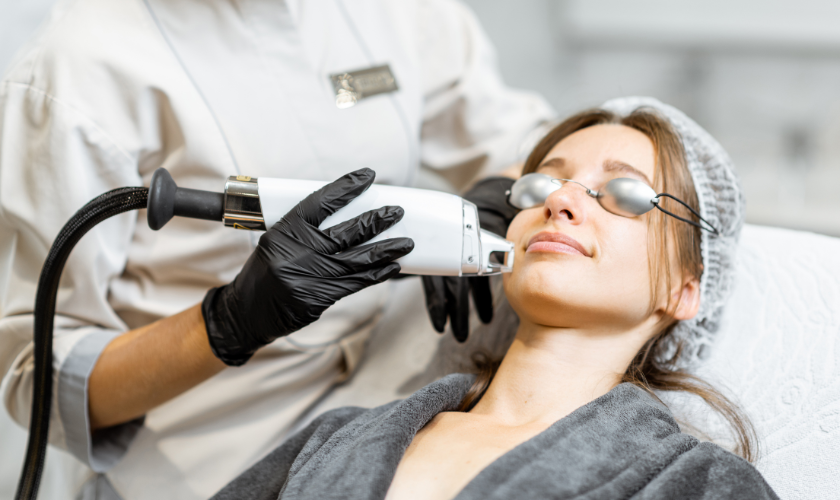
During treatment, the skin is cleaned, and protective measures are used to safeguard the eyes. Depending on the device and treatment area, a cooling system or topical numbing cream may be used to improve comfort.
The laser device is then applied to the targeted areas. Patients may experience sensations that range from mild warmth to brief snapping or stinging feelings. The duration of the procedure varies depending on the size of the area being treated.
After treatment, the skin may appear red or slightly swollen. Some patients may notice that dark spots temporarily become darker before gradually fading. These effects are often temporary, but proper aftercare is important for supporting recovery.
Benefits of Laser Pigmentation Treatment
One of the main advantages of Laser Treatments for Hyperpigmentation is their ability to target unwanted pigment more precisely than some traditional approaches. Depending on the condition and technology used, treatment may help improve the appearance of sun spots, age spots, freckles, and certain forms of uneven pigmentation.
Another potential benefit is that some laser treatments can address more than pigmentation. Certain technologies may also stimulate collagen production or improve overall skin texture, depending on the device and treatment settings.
Laser procedures can also be customized. A professional may adjust the energy level, pulse duration, and treatment approach according to the patient’s skin type and pigmentation concerns. This individualized approach can be particularly important when treating people with darker skin tones, who may have a higher risk of developing temporary or persistent changes in pigmentation after certain procedures.
Are Multiple Sessions Necessary?
The number of treatments required varies from person to person. Some superficial pigmentation concerns may respond after one session, while deeper or more stubborn discoloration may require several treatments.
A dermatologist or qualified laser professional can create a treatment plan based on the patient’s response. Sessions are usually spaced apart to give the skin enough time to recover.
It is important to understand that laser treatment does not always permanently prevent pigmentation from returning. New discoloration can develop if the underlying triggers, such as sun exposure or hormonal influences, remain present.
The Importance of Sun Protection
Sun protection is one of the most important parts of any hyperpigmentation treatment plan. UV exposure can stimulate melanin production and make existing discoloration more noticeable. It may also increase the risk of pigmentation returning after treatment.
Patients are generally advised to use broad-spectrum sunscreen as directed by their skincare professional and to limit unnecessary sun exposure. Wearing protective clothing and seeking shade can provide additional protection.
Consistent sun protection is not only important after laser treatment but should also become a long-term part of a skincare routine. Without proper protection, even successful treatment may produce temporary results.
Potential Risks and Side Effects
Although laser treatments can be effective for certain pigmentation concerns, they are not risk-free. Temporary redness, swelling, sensitivity, crusting, or changes in skin color may occur after treatment.
In some individuals, particularly those with darker skin tones, laser procedures may trigger post-inflammatory hyperpigmentation or hypopigmentation. This is why choosing the right technology and treatment settings is extremely important.
Other factors, including active skin infections, certain medications, recent tanning, and existing skin conditions, may influence whether someone is a suitable candidate. A professional evaluation should always be completed before treatment.
Choosing the Right Professional
The expertise of the person performing the treatment is an important consideration. Different pigmentation conditions can look similar, but they may require very different approaches. For example, melasma can be challenging to manage and may sometimes worsen with aggressive treatments.
A qualified dermatologist or experienced medical professional can help identify the cause of discoloration and determine whether laser therapy is appropriate. Patients should discuss their medical history, skincare routine, previous treatments, and expectations during the consultation.
It is also helpful to ask about the specific laser technology being recommended, expected results, possible side effects, and the estimated number of sessions.
A Modern Approach to More Even-Looking Skin
Laser Treatments for Hyperpigmentation represent an advanced option for people seeking to improve unwanted discoloration and achieve a more balanced appearance. Modern laser and light-based technologies offer several treatment approaches, allowing professionals to tailor procedures to different pigmentation concerns and skin types.
However, successful pigmentation management often requires more than a single procedure. Professional assessment, appropriate skincare, sun protection, and realistic expectations all play important roles. Because hyperpigmentation can have many causes, identifying the reason behind the discoloration is an essential first step.
When carefully selected and performed by a qualified professional, laser therapy may provide meaningful improvements in the appearance of certain pigmentation concerns. With advances in technology and increasingly personalized treatment approaches, patients today have more options than ever for managing uneven skin tone and achieving healthier-looking, more radiant skin.