Hurricanes can disrupt daily life in ways that extend far beyond strong winds and heavy rainfall. Power outages are among the most common challenges households face during severe storms, sometimes lasting for hours or even several days. Without electricity, essential appliances, communication devices, medical equipment, and home safety systems may become difficult to operate. For this reason, preparing a dependable battery backup for hurricane outages can be an important part of a household emergency plan.
A well-designed backup system can provide electricity when the main power grid goes down. Unlike traditional fuel-powered generators, battery-based systems can operate quietly, produce no exhaust fumes during use, and can often be installed indoors. Understanding how these systems work and determining your household’s actual power requirements are key steps toward creating a reliable emergency energy solution.
Understanding the Role of Battery Backup During Hurricanes
A battery backup system stores electrical energy for later use. Under normal circumstances, the battery can be charged from the electrical grid, solar panels, or another compatible energy source. When a hurricane causes a power outage, the system can supply stored electricity to selected appliances and devices.
The main advantage of a battery system is its ability to provide immediate backup power. Depending on the model and installation, a battery may automatically switch to backup operation when grid electricity fails. This can be particularly valuable for equipment that should not lose power, such as internet routers, refrigerators, security systems, or certain medical devices.
However, not every battery backup system can power an entire home. The available capacity and output determine what can be operated and for how long. Homeowners should therefore evaluate their priorities before purchasing or installing a system.
Identifying Your Essential Power Needs
The first step in building a dependable backup system is creating a list of essential electrical loads. During a hurricane outage, you may not need to operate every appliance in your home. Instead, focus on equipment that supports safety, communication, food storage, and basic comfort.
Common priorities may include refrigerators and freezers, smartphones, laptops, Wi-Fi routers, LED lights, televisions, fans, sump pumps, and medical equipment. Some households may also need backup power for garage doors, security systems, or small kitchen appliances.
Each device consumes a different amount of electricity. A refrigerator, for example, may require more power when its compressor starts than it uses during normal operation. This starting demand should be considered when choosing a backup system.
Making a simple inventory of essential appliances can help determine the required battery capacity and inverter output. The goal is to choose a system that can handle both the continuous energy demand and temporary starting surges.
Choosing the Right Battery Capacity
Battery capacity is generally measured in watt-hours (Wh) or kilowatt-hours (kWh). A higher capacity means the battery can store more energy, but actual runtime depends on how much electricity your connected devices consume.
For example, if essential equipment uses 500 watts continuously, a 5 kWh battery could theoretically provide several hours of operation. Real-world performance may be lower because of inverter losses, battery management systems, temperature, and other factors.
When considering battery backup for hurricane outages, homeowners should think about how long the system needs to operate before electricity is restored. A short outage may require only a portable power station, while a multi-day hurricane-related outage could justify a larger home energy storage system.
It is also useful to consider future needs. A system that comfortably supports your current essential loads may become more valuable if additional solar panels or battery modules can be added later.
Portable Power Stations vs. Whole-Home Systems
Portable power stations are a practical option for households that need flexible emergency electricity. They can typically be moved between rooms and used to charge phones, power lights, operate small appliances, and maintain communication equipment.
Larger whole-home battery systems are designed for more extensive backup needs. Depending on the configuration, they can provide power to selected circuits or a much larger portion of the home. These systems usually require professional installation and may be connected to solar panels or other charging sources.
The best option depends on your budget, home size, electrical requirements, and expected outage duration. A small portable unit may be sufficient for basic emergency needs, while a permanently installed system may be better suited to homeowners who regularly experience severe weather or frequent grid interruptions.
Combining Batteries With Solar Energy
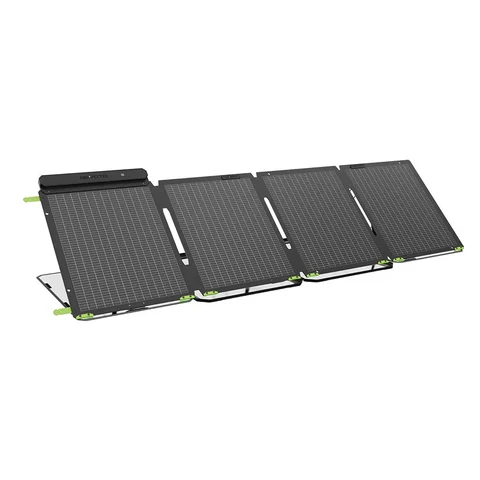
One of the biggest challenges during a prolonged hurricane outage is recharging a battery. If the electrical grid remains unavailable, stored energy will eventually run out. Solar panels can provide an additional source of electricity, allowing compatible battery systems to recharge during daylight hours.
A solar-plus-storage setup can improve energy independence, although hurricane conditions may reduce solar production because of heavy cloud cover and rain. Even so, solar generation can help extend backup availability after the storm passes.
Homeowners considering solar integration should ensure that their system is properly designed for emergency operation. Not every solar installation automatically provides electricity during a grid outage. Specialized equipment may be necessary to isolate the home from the utility grid and safely supply backup power.
Preparing the System Before Hurricane Season
A backup battery is only useful if it is ready when an emergency occurs. Regular maintenance and testing should therefore be part of hurricane preparation.
Before storm season, inspect cables, charging equipment, connectors, and battery indicators. Make sure the system is fully charged according to the manufacturer’s recommendations. If the battery has a monitoring application, check for warnings or error messages.
It is also wise to test the equipment before an emergency. Connect the devices you expect to use and confirm that the battery can handle their combined demand. This process can reveal problems before a real outage occurs.
Store charging cables and adapters in a clearly labeled location. Keep important instructions nearby, and make sure family members know how to operate the system safely.
Safety Considerations for Home Battery Systems
Safety should always be a priority when using backup electricity. Battery systems should be operated according to manufacturer instructions and placed in suitable locations. Avoid exposing equipment to water, excessive heat, or conditions outside its rated operating environment.
Never attempt to modify electrical wiring without appropriate professional knowledge. Whole-home backup systems should generally be installed by qualified electricians who understand local electrical requirements.
It is also important to distinguish battery systems from fuel-powered generators. Conventional generators can produce carbon monoxide, making indoor operation extremely dangerous. Battery systems do not create combustion exhaust during normal operation, but they still require proper installation, ventilation where specified, and careful handling.
Creating a Practical Hurricane Backup Plan
A reliable backup system should be part of a broader emergency preparedness strategy. Electricity is only one part of hurricane readiness. Households should also maintain supplies of drinking water, food, medications, flashlights, batteries, emergency communication equipment, and important documents.
When planning battery backup for hurricane outages, prioritize the devices that matter most. Consider how much energy they use, how long you expect an outage to last, and whether you have a way to recharge the battery.
It is also helpful to establish a backup schedule. For example, you might run a refrigerator continuously while charging phones at designated times. Limiting unnecessary electricity consumption can significantly extend battery runtime.
Building a More Resilient Home Energy Strategy
Hurricane outages can be unpredictable, but thoughtful preparation can make them easier to manage. A properly selected battery system can help maintain essential services, preserve food, keep communication devices operational, and provide lighting when the grid is unavailable.
The ideal solution depends on individual household requirements. Some families may benefit from a compact portable power station, while others may prefer a professionally installed whole-home battery paired with solar energy. Regardless of the approach, understanding energy consumption and planning for realistic outage conditions are essential.
Ultimately, investing in battery backup for hurricane outages is about more than purchasing equipment. It is about creating a practical emergency energy plan that matches your home’s needs. By evaluating essential loads, selecting appropriate capacity, preparing the system in advance, and following proper safety practices, homeowners can build a more reliable backup strategy and be better prepared when severe weather interrupts normal electricity service.